Common Mistakes When Feeding Raspberry Canes
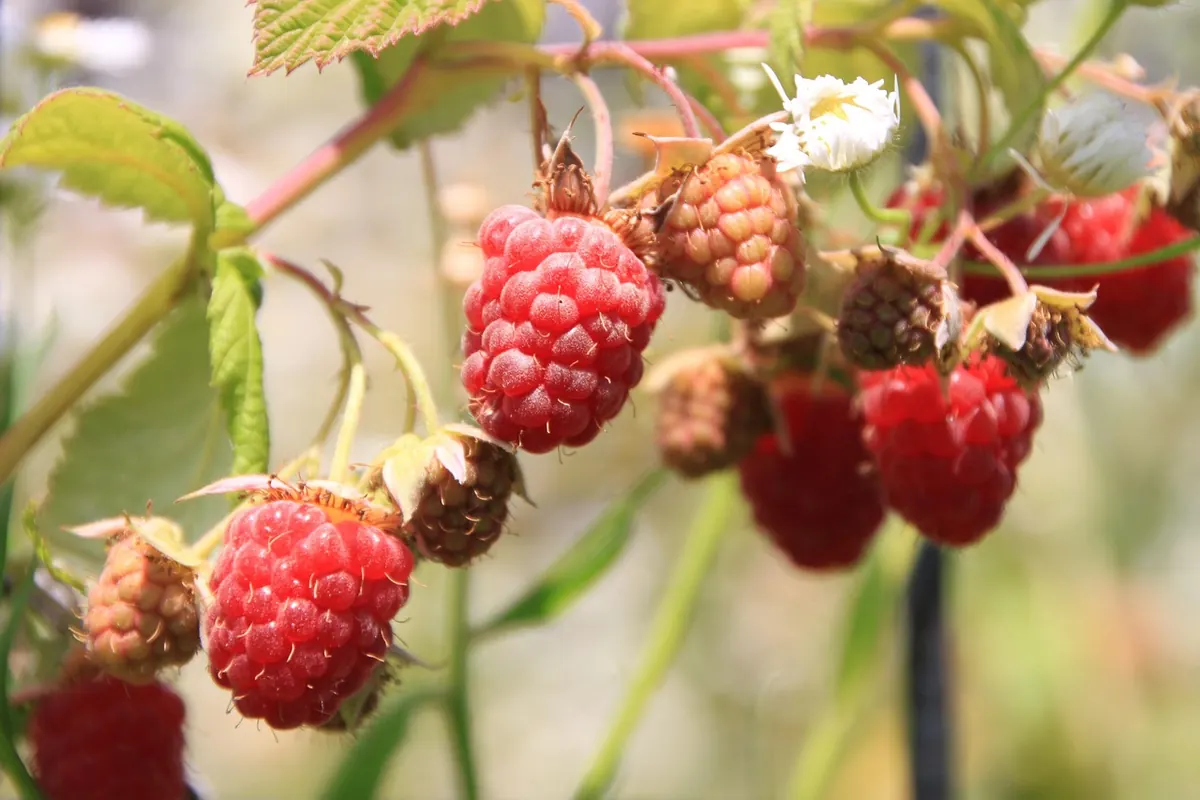
Raspberries are generous plants. Give them decent soil, a sunny spot and a bit of support and they will crop for years with very little fuss. Feeding is where plenty of growers, particularly those used to growing hungry vegetables, get carried away. A courgette will happily take a bucket of manure; a raspberry cane will sulk, push out soft leafy growth and hand you a disappointing handful of fruit. The good news is that the three mistakes below are easy to spot and just as easy to correct.
Raspberries are light feeders compared with most allotment crops. Their roots are shallow and fibrous, sitting in the top 30cm or so of soil, which means whatever you scatter around the base reaches them quickly. Pile on the feed and the plant responds by growing leaves and canes rather than flowers and fruit.
Overfed canes look healthy at a glance, which is what makes the problem so easy to miss. Look for dark, glossy, oversized leaves, thick sappy canes that flop instead of standing up, and a long run of new growth at the tips with barely a flower on it. Fruit that does set tends to be small, dry or crumbly. Soft growth also attracts aphids and gives cane blight an easy way in, and canes that have not ripened properly are the first to be damaged by winter cold.
If you garden in containers or in very dry ground, heavy feeding can also leave salts sitting in the root zone, which shows up as scorched, brown leaf edges even when the compost feels damp.
The fix is simpler than most people expect: stop. Water thoroughly over the next week or two to wash excess nutrients down through the soil, then start again with the rate on the packet, which is usually a handful per metre of row rather than per plant. Splitting an annual dose into two or three smaller applications through spring is far kinder than one big hit.
The most common error here is treating raspberries like a lawn. High-nitrogen feeds, fresh poultry manure and general-purpose lawn products push exactly the soft, sappy growth described above. Raspberries want a balanced feed in spring and a potassium-rich one once they start flowering.
Timing matters as much as the product. Nitrogen applied in late summer or autumn produces tender growth that has no chance to harden before the first frosts, and that is wasted effort at best and winter dieback at worst.
Feed when the plant is actively growing and about to need the nutrients, not when you happen to be passing with a bucket. For most gardens that means a main feed as the buds break in early spring, a lighter top-up as flowers form, and nothing containing nitrogen after mid-summer. In dry spells, water the ground before you feed, because fertiliser applied to bone-dry soil can burn shallow roots.
This is where a lot of confusion creeps in, and it leads people to feed the wrong plants at the wrong moment.
Summer-fruiting raspberries crop on canes grown the previous year. They want their main feed in early spring as those canes wake up, and a top-up at flowering. Once the fruit is picked and the old canes are cut out, a light balanced feed and a mulch help the new canes build strength for next year.
Autumn-fruiting raspberries crop on canes produced in the same season, usually from late summer into October. Their whole season depends on a strong start, so the early spring feed matters most. Push nitrogen at them in midsummer and you will get tall, leafy canes carrying small, late fruit.
Yellow leaves do not always mean hunger. Before you reach for the fertiliser bag, rule out the other possibilities. Raspberries prefer a slightly acid soil, roughly pH 5.5 to 6.5, and they hate sitting in water. Waterlogged roots, compacted ground and drought all produce pale, struggling plants that more feed will only damage further.
Check the drainage first, fork in plenty of organic matter, and keep a permanent mulch of compost or bark around the rows, pulled back a few centimetres from the canes themselves so the stems stay dry. If canes are dying back from the tips, or you spot purple blotches on the stems, that is disease rather than a feeding problem, and no amount of fertiliser will cure it. Remove affected canes and improve airflow instead.
A quick diagnosis saves a lot of guesswork:
Water deeply once or twice a week in dry weather, keep the rows weed-free, and tie in new canes as they grow. Do that, feed modestly and at the right moments, and your raspberries will reward you with heavier crops and cleaner fruit for years to come.
Photo: byrev / Pixabay
Previous Post
Apple Tree Pruning: Winter vs Summer Cuts Compared
Next Post
How to Tell When Pears Are Ripe Without Picking Them Too Early