Five Unexpected Ways to Use Windfall Apples
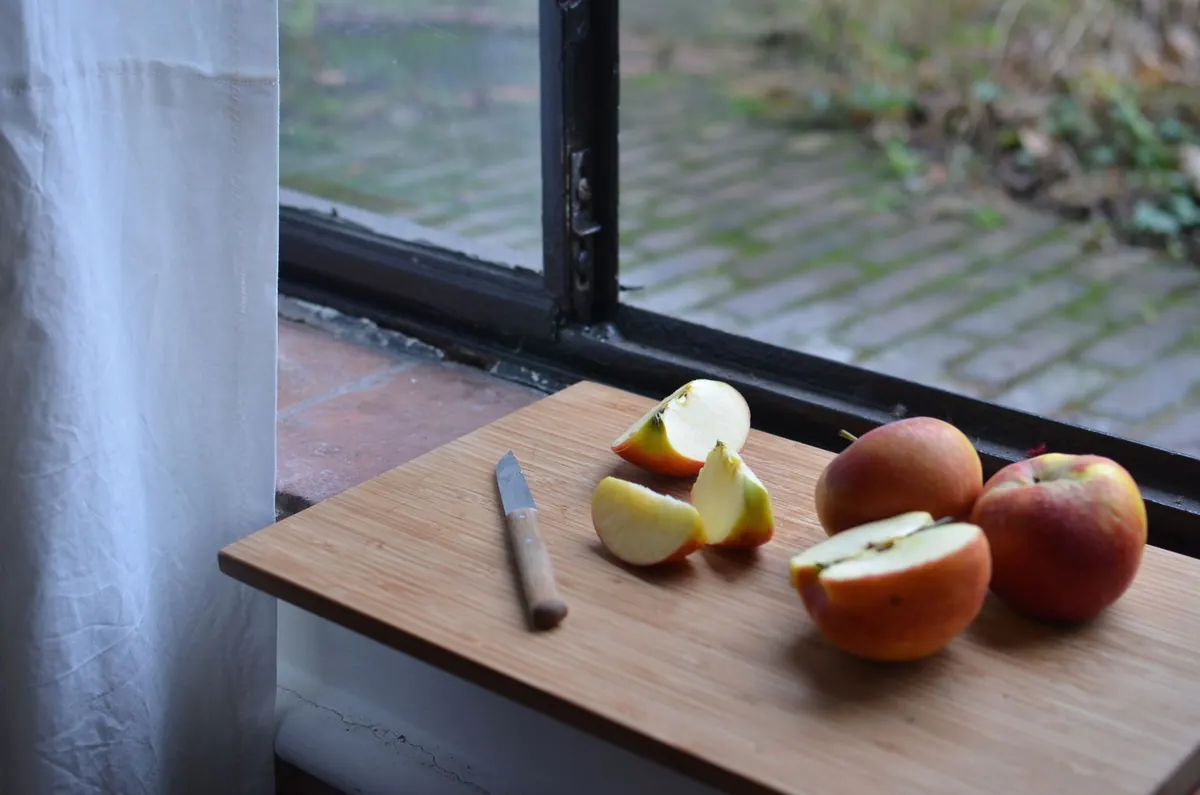
Windfall apples arrive all at once. One morning the tree is laden, the next there's a thud, thud, thud on the lawn and a hum of wasps around the fruit you missed. Crumble will only get you so far, and there are limits to how many crumbles one household can eat before October. The bruised, split and bashed fruit is perfectly good for cooking — it just wants eating rather than storing. Here are five ways to use it that go well beyond the usual.
Ten minutes with a knife and two bowls saves a lot of wasted effort later. Sort your windfalls into three groups:
Rinse everything well, and only pick windfalls from your own trees or with the landowner's permission. A shallow bowl of salted water will persuade any lurking grubs to leave; a quick dunk, then dry the fruit properly so it doesn't go slimy in the pan.
This is the one to make when you've got a glut and no patience. Browning the butter takes five minutes and gives the cake a nutty, toffee-ish depth that plain butter can't manage.
Melt 200g butter in a small pan over a medium heat and keep swirling until the foam subsides and the milk solids turn hazelnut brown. Pour into a large bowl and leave to cool for ten minutes. Whisk in 180g light muscovado sugar, then three eggs, one at a time. Fold in 220g self-raising flour, a teaspoon of ground cinnamon and a pinch of salt, then stir through 400g peeled, cored apples cut into roughly 2cm chunks.
Spread into a lined 20cm x 30cm tin and bake at 180°C (160°C fan, gas 4) for 35 to 40 minutes, until a skewer comes out clean and the top is springy. Cool in the tin. It keeps for three days in a cake tin and freezes well in slices.
Shop-bought apple sauce is thin and sweet. Homemade is neither, and it takes almost no attention. Put 1kg of peeled, chopped windfalls in a heavy pan with two tablespoons of water, two tablespoons of caster sugar, a strip of lemon zest and a squeeze of lemon juice. Lid on, low heat, 20 minutes, stirring now and then until the fruit collapses. Fish out the zest and either mash roughly or blitz smooth.
Leave the skins on if you're going to blend it — they carry pectin, which thickens the sauce and helps it set if you're using it in baking. Serve with roast pork, fold through yoghurt, or spoon over porridge.
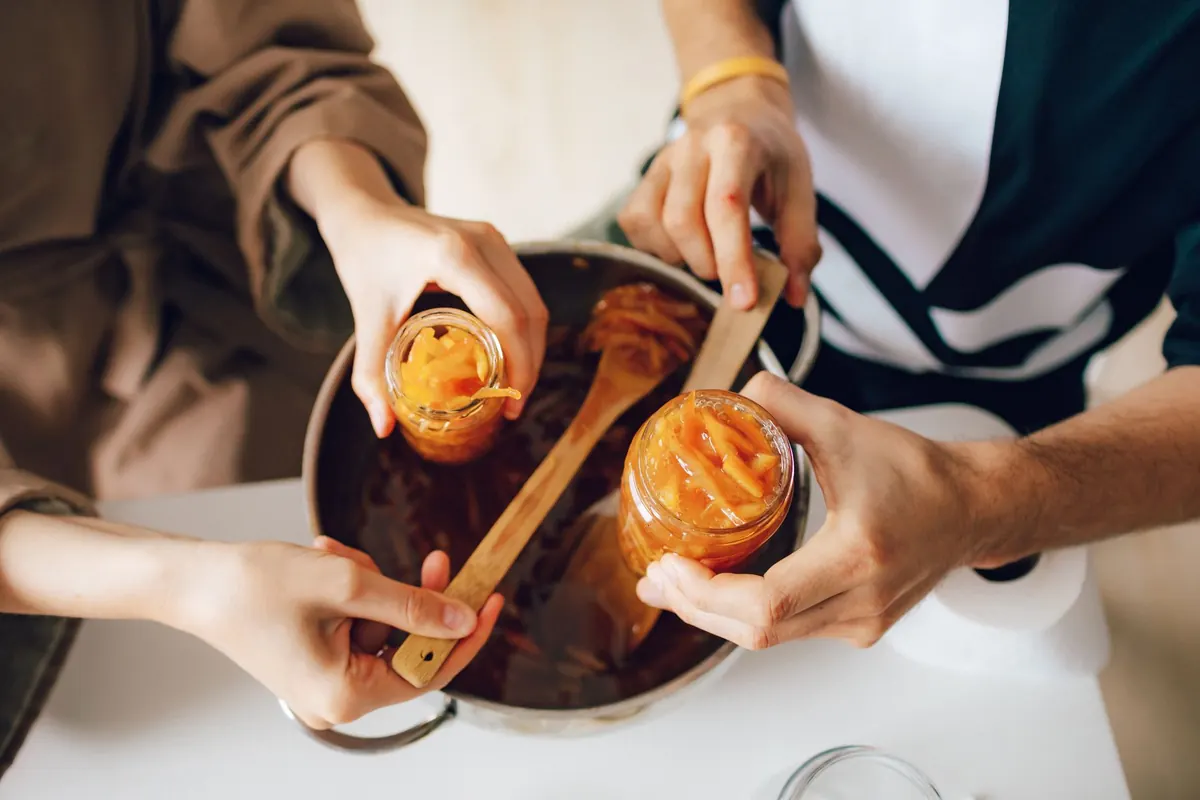
Push the sauce further: return it to the pan with 100g soft brown sugar, a tablespoon of cider vinegar and another half teaspoon of cinnamon. Cook uncovered on a low heat for 40 to 50 minutes, stirring often, until a spoon drawn through leaves a clean trail. Pot into warm, clean jars and keep in the fridge. It's excellent on toast, in a cheese sandwich, or swirled into a bowl of rice pudding.
The quickest pudding on this list, and the best use for apples that are slightly soft. Whisk 150g plain flour, a teaspoon of baking powder, a tablespoon of caster sugar and a pinch of salt with one egg and about 150ml milk until you have a thick, dropping consistency — like double cream.
Peel, core and slice two or three apples into 1cm rings, pat them dry, and dip each one in the batter. Fry in about 1cm of sunflower or rapeseed oil over a medium heat for two to three minutes a side, until puffed and golden. Drain on kitchen paper and toss in cinnamon sugar while still hot. Eat immediately, with cream or vanilla ice cream.
Choose fruit on the large side and core it, stopping just short of the base. Mix 60g porridge oats, 40g demerara sugar, 40g soft butter, a handful of raisins and a good pinch of cinnamon, then pack it into the cavities. Sit the apples in a buttered dish, add a splash of water or apple juice to the bottom, and bake at 180°C (160°C fan, gas 4) for 35 to 45 minutes until a knife slides in easily.
Baste once or twice with the juices. Serve with custard, cream or thick yoghurt. Any filling that spills out is the best bit — spoon it over the top.
Peelings, cores and the smaller, fiddlier fruit that isn't worth peeling all go in one pan. Combine 500g apple pieces with 500g granulated sugar and 500ml water in a heavy pan. Bring to a simmer and cook gently for 20 minutes, pressing the fruit against the side of the pan now and then. Strain through a sieve lined with muslin and leave to drip — don't squeeze, or the syrup turns cloudy.
Return the liquid to the pan and reduce for 10 to 15 minutes until slightly thickened. Cool, bottle and refrigerate. Use it to sweeten iced tea, drizzle over pancakes or cheesecake, or mix with sparkling water and a squeeze of lemon for a homemade appleade. It lasts a fortnight in the fridge.
If you're drowning in fruit, cook first and think later. Peeled and chopped apple freezes well in bags laid flat, and stewed apple freezes even better — portion it in tubs, or freeze purée in ice-cube trays for adding to porridge and smoothies. Label everything with the date; cooked apple is best within six months.
Neighbours, allotment pals and anyone with a freezer drawer usually welcome a bag, and a jar of apple butter makes a decent gift for very little effort. The one thing to avoid is leaving a heap of windfalls to moulder under the tree — that's how you attract wasps, fruit flies and next year's problems. When in doubt about whether a particular batch is safe to eat, throw it on the compost and pick again tomorrow.
Photo: Skylar Kang / Pexels
Previous Post
Easy Blackcurrant Jam Without Pectin: A Small-Batch Recipe
Next Post
Freezing Soft Fruit: A Checklist for UK Gardeners