Water Bath vs Pressure Canning for Fruit Preserves: UK Safety Guide
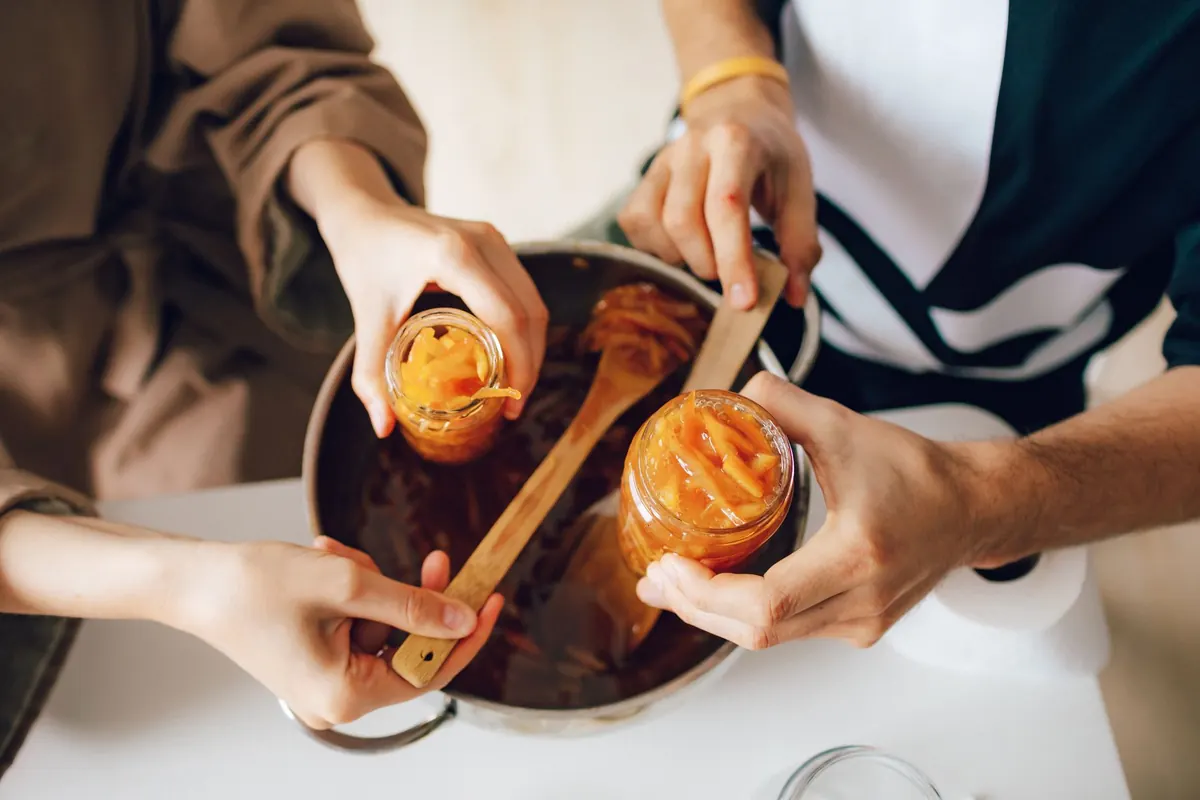
A deep pan, a rack, a row of clean jars. That is the whole kit for most fruit preserves: jams, jellies, bottled plums, chutney. Pressure canning gets talked about constantly online, and it is easy to assume the heavier, hotter method must be the safer one. For fruit, it usually isn't necessary, and it can wreck the texture of what you are trying to keep. The deciding factor is not how cautious you feel. It is acidity.
One question settles almost every case: is the preserve high-acid, at pH 4.6 or below?
The bacterium that causes botulism, Clostridium botulinum, produces spores that survive boiling. They cannot germinate in an acidic environment. That is why a boiling water bath works for fruit: the heat kills yeasts, moulds and spoilage bacteria, and the acid holds the spores in check. In a low-acid preserve, boiling water leaves those spores alive in a warm, oxygen-free jar, which is exactly what they need. That is when you need the higher temperatures only a pressure canner can reach.
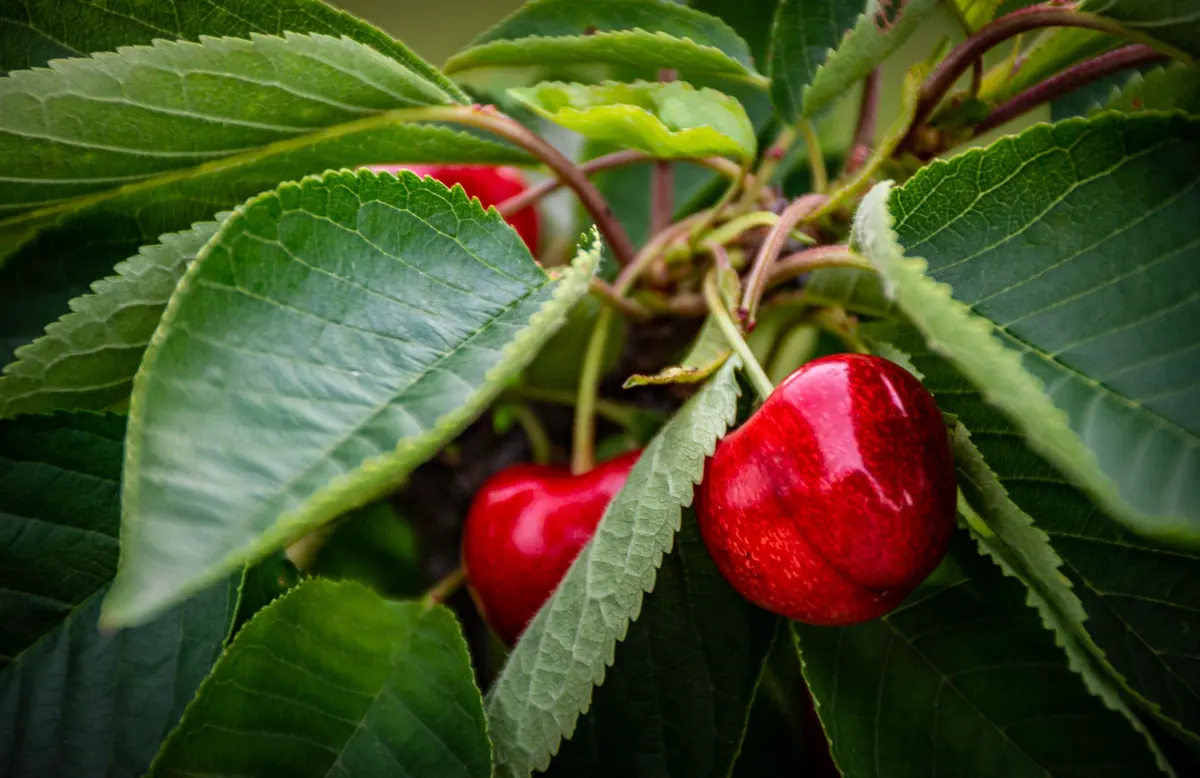
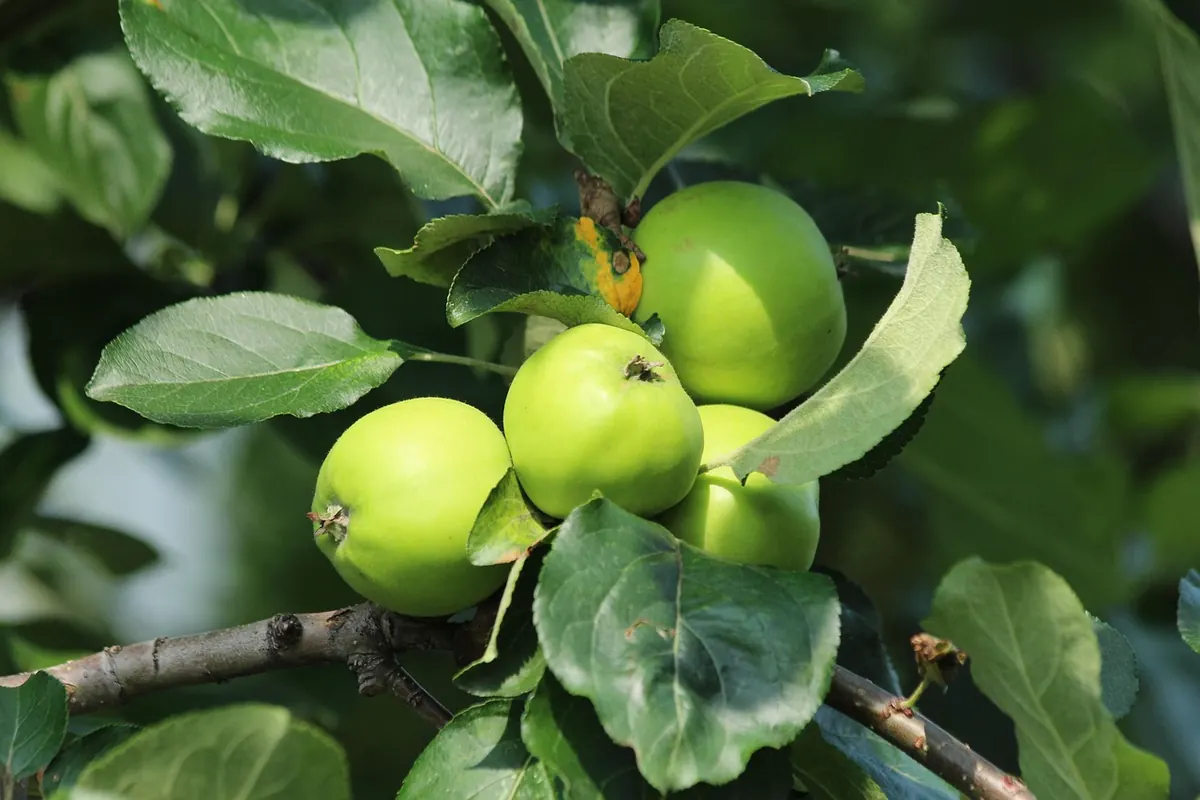
Almost all fruit sits comfortably below pH 4.6. Rhubarb, apples, blackcurrants, raspberries, plums and cherries are all firmly acidic. Sugar is not the safety mechanism here, either, whatever old jam recipes imply. Acid is. A reduced-sugar strawberry jam still belongs in a water bath; it may simply have a shorter shelf life once opened and set less firmly.
High-acid preserves that are reliably safe in a water bath include:
Most jam recipes call for roughly 10 to 15 minutes of processing in 500ml jars, but follow the timings in a tested recipe rather than guessing. The UK's low altitudes mean you don't need to add time for height, unlike canners in mountain regions.
Pressure canning exists for low-acid foods: vegetables, meat, fish, stocks, dried beans, and fruit that is naturally low in acid, such as bananas, melon and papaya, or pumpkin and squash. If you are preserving any of those, or a mixture where the low-acid ingredient dominates, you need a pressure canner and a tested time for that specific food.
Pressure canning a plain fruit jam is not dangerous, but it is overkill. The fruit collapses, the set suffers and you spend an hour doing what twenty minutes of boiling water would have done. More importantly, a pressure canner does not rescue an untested recipe. Pressure and time have to be matched to the food and jar size; higher pressure does not compensate for a preserve that is sitting above the acid line.
This trips up a lot of British cooks. A domestic pressure cooker is not a pressure canner. Typical UK models hold six or seven litres, have no accurate pressure regulation at canning levels and are not designed or tested for processing sealed jars. American-style canners, such as Presto or All American models, are built to hold several litre jars and hold a regulated pressure that takes the interior to around 116°C. They are available here but expensive and often imported.
If you don't have one, don't improvise with a pressure cooker, an oven or a microwave. Freeze, refrigerate, or choose a high-acid recipe instead. Oven bottling of fruit is a traditional British method, but it is harder to control than a water bath on the hob and gives no better result.
A few ingredients need care rather than assumption:
Taste tells you nothing about acidity. If you are developing your own recipe, pH strips give a rough check, but they are not laboratory-accurate, and the safest route is to follow a published recipe without altering the vinegar or lemon juice.
Some things simply should not be stored in a cupboard. Lemon curd and other fruit curds contain egg and butter. Custards, cream fillings, coconut preserves, and home-made mincemeat made with suet all fall into the same category. So does any preserve containing dairy. These are not water bath candidates and not pressure canning candidates either; keep them refrigerated for a short period or freeze them. Commercial versions last on a shelf because they are made under different controls.
Choose a tested recipe and match the method to its acidity. Water bath for jams, jellies, marmalades, bottled high-acid fruit, and vinegar-based chutneys. Pressure can for low-acid fruit, vegetables, meat and mixtures you cannot vouch for. Keep jars, lids and utensils scrupulously clean, respect headspace, and let jars cool before you check the seal.
Store preserves somewhere cool and dark, and inspect them before opening. A bulging lid, a leak, a spurting seal, mould, or an off smell means the jar goes in the bin. Never taste a suspect preserve to check whether it is fine. If you are new to pressure canning, or you are unsure whether a particular recipe is acidic enough, get advice from a recognised source such as the Food Standards Agency or NHS guidance before you commit a batch. The cost of a wasted jar is nothing next to the cost of getting it wrong.
Photo: ROMAN ODINTSOV / Pexels
Previous Post
Freezing Soft Fruit: A Checklist for UK Gardeners
Next Post
Best Disease-Resistant Apple Varieties for Small UK Gardens