Best Disease-Resistant Apple Varieties for Small UK Gardens
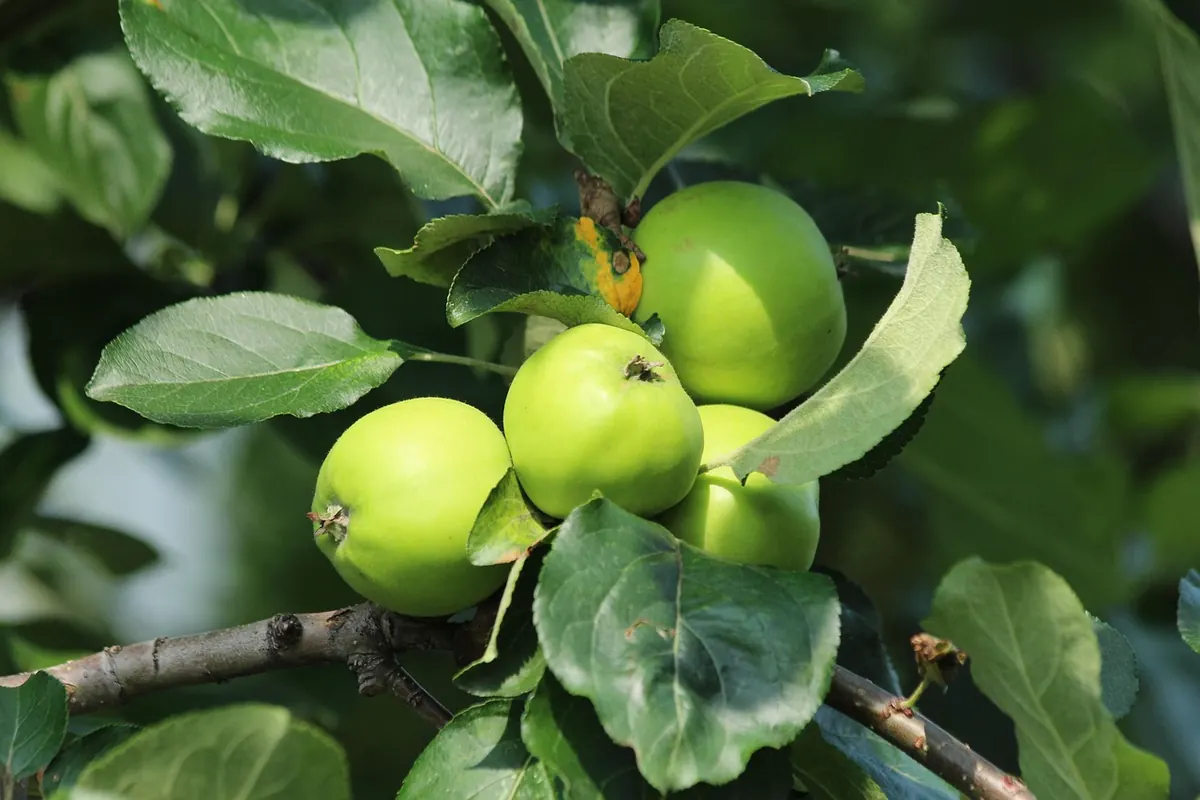
Picking an apple from your own tree is one of the great small-garden pleasures, but a patio or a narrow border leaves no room for a sickly specimen. Fence-line shade, poor airflow and our damp spring weather are made for apple scab, and once it takes hold on a congested tree you will spend the summer spraying and fretting. The smarter approach is to pick varieties that shrug off the worst of it. Choose well now and you can garden apples with very little chemical help at all.
Disease pressure is not evenly spread. Scab overwinters in fallen leaves and splashes back up onto new growth during wet springs. Powdery mildew relishes still, crowded growth and dry roots. Canker gets into pruning cuts and bark wounds during wet winters, and it is far harder to live with on a tree squeezed against a wall.
In a big orchard, a few blemished fruits do not matter. In a garden where you have three trees and high hopes, they matter a great deal. Resistant varieties will not be immune — no apple is — but they carry the season for you. Expect less leaf drop, cleaner fruit and much less fiddling.
The best starting point is breeding programmes that deliberately selected for disease resistance. Most of these trees are also naturally sturdy and well-behaved, which suits a small plot.
Topaz is a Czech variety with crisp, juicy, sharp-sweet fruit and strong resistance to scab, inherited from Malus floribunda. It crops heavily, though it can be biennial if you let it over-set. Alongside it sit Rubinola, Ariane, Rewena and Otava, all bred from similar parentage with good scab and mildew resistance. Be honest about your location: in the wet, mild west of Britain, scab strains that overcome this resistance are increasingly found, so treat these as tough rather than bulletproof.
Liberty is the standout for gardeners who want to avoid spraying altogether. It resists scab, mildew and cedar apple rust, and shows useful tolerance of fireblight. The fruit is red-flushed, moderately sharp and excellent for eating fresh. GoldRush is later and keeps beautifully into the new year, with a dense, sweet-sharp flavour. Enterprise and Priscilla are worth seeking from specialist nurseries if you want a spread of ripening times.
You do not have to go exotic. Herefordshire Russet is self-fertile, crops generously, tastes richly of Cox and shows good scab resistance. Egremont Russet is less troubled than Cox by scab and gives that nutty, pear-drop flavour many of us grew up with. Winston (sometimes sold as Winter King) is a late, firm, aromatic apple that stores into the new year and is partially self-fertile. Fiesta, also sold as Red Pippin, is a compact spur-bearing tree with Cox-like fruit and decent resistance.
If you can only fit one tree, pollination becomes the limiting factor. These are reliable, tidy growers, several of which will crop alone:
Avoid triploids such as Bramley's Seedling if space is tight. They need two separate pollination partners, which is three trees before you have picked a single apple.
Rootstock decides the tree's final size and how quickly it crops; get it wrong and a lovely variety becomes a monster.
Most apples need a partner that flowers at the same time, so check flowering groups before buying. Neighbours' trees count if they are within a few hundred metres, and crab apples are excellent pollinators — a single ornamental crab in a front garden can serve the whole street. If you are buying two trees, pick varieties from the same or adjacent flowering groups and avoid pairing two triploids.
Containers work well provided you up the care. Use a pot of at least 35–45 litres, and go bigger if you can lift it.
Stand pots on feet to keep the drainage holes clear, and mulch the surface with gravel to slow evaporation.
Good cultivation does as much as genetics. Rake up and bin fallen leaves in autumn, because that is where scab waits out the winter. Prune to an open, goblet shape so air moves through the canopy, and cut out canker in dry summer weather rather than in the wet. Thin clusters to one or two fruits after the June drop, which reduces stress and improves size. Feed modestly — too much nitrogen pushes soft, sappy growth that mildew and aphids adore — and keep the tree consistently watered rather than alternating drought and flood.
Three well-chosen trees on M9 or M27 will out-crop six badly chosen ones. Start with a self-fertile variety such as Sunset or Alkmene, add a resistant keeper like Topaz or Herefordshire Russet, and finish with a crab apple if space allows. Order bare-root trees between November and March for the best establishment, plant into ground that has been improved with compost, and keep the area around the trunk clear of grass for the first two years. After that, most of the work is picking.
Photo: zoosnow / Pixabay
Previous Post
Water Bath vs Pressure Canning for Fruit Preserves: UK Safety Guide
Next Post
Sweet vs Sour Cherries: Which Cherry Varieties Suit UK Gardens?