Beginner's Guide to Planting a Fruit Tree in Heavy Clay Soil
Clay soil has a reputation for being difficult, and there is some truth in it. It drains slowly, it is heavy to dig, and it sits cold and wet through winter. But clay is also fertile, holds moisture through dry summers, and grows excellent fruit trees when you give it half a chance.
The trick is to work with the clay rather than fight it. Choose the right rootstock, plant at the right time, and create a rooting zone that drains. Here is how to get a young fruit tree off to a strong start.
Clay particles are tiny and flat, and they pack tightly together. In winter, a freshly dug planting hole in clay can fill with water and sit there like a bucket, because the surrounding soil drains just as slowly as the hole itself. Tree roots need oxygen as well as water, and roots that sit in stagnant water for weeks will rot.
There is an upside. Clay holds nutrients and moisture far better than sand or chalk, so once a tree is established it rarely goes thirsty in August. The goal is not to replace your soil with something lighter, but to improve its structure and give the roots a decent start in the first two or three years.
Rootstock decides the size of your tree, how quickly it crops and how well it copes with your soil. On heavy clay, slightly more vigorous rootstocks usually do better, because they root deeper and shrug off winter wet. Very dwarfing rootstocks are wonderful in a large pot or a raised bed, but in open clay they often sulk.
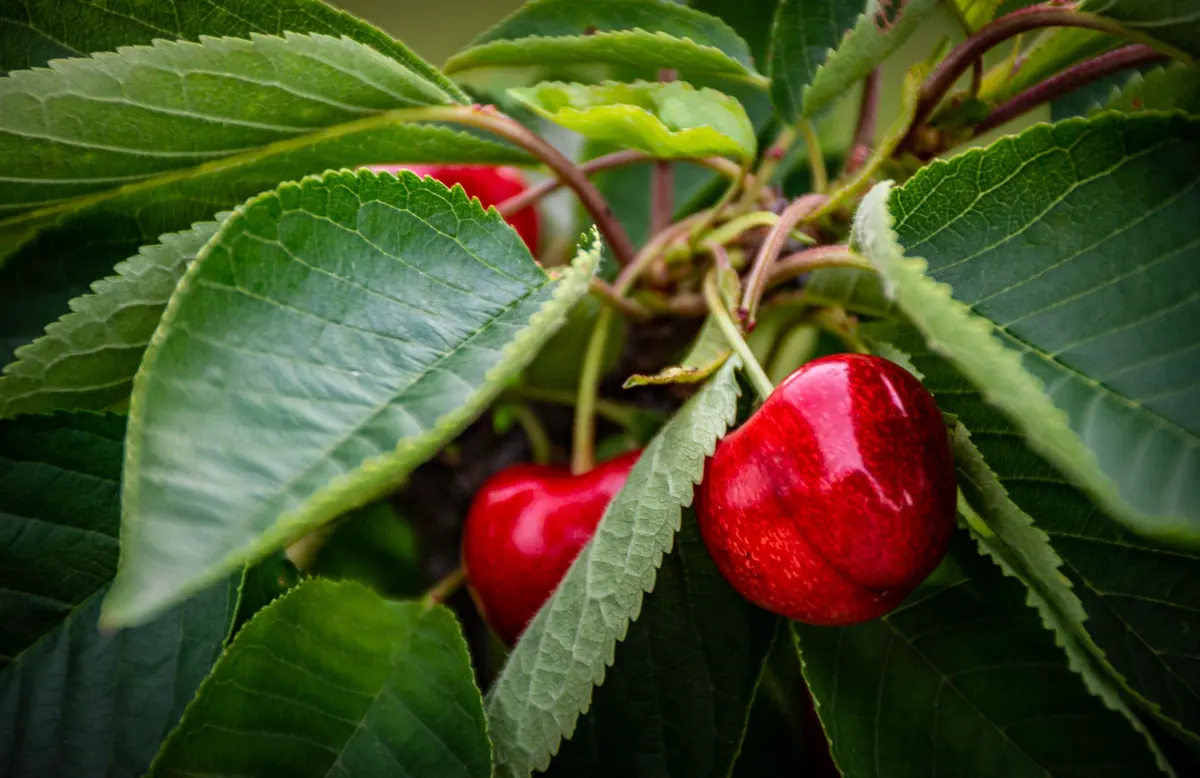
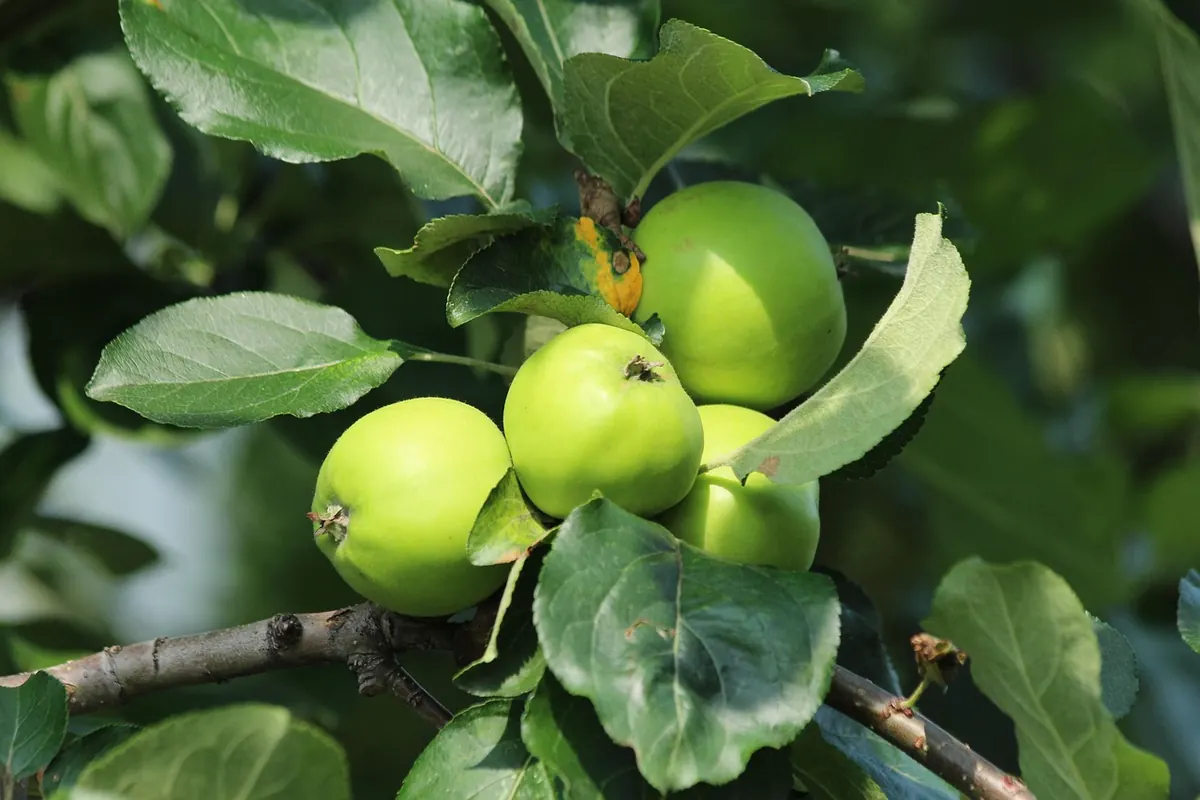
Think about the fruit as well as the rootstock. Apples, pears, plums, damsons and quince are the most forgiving on clay. Cherries, apricots, peaches and nectarines are fussier, so give them a mound, a raised bed or a very well-prepared spot.
When you dig a hole in clay, the spade smears the sides and base into a smooth, glazed surface that water cannot pass through. Fork the bottom and the sides of the hole thoroughly so the walls are rough and crumbly.
Do not put a layer of gravel or stones in the bottom of the planting hole. Water flows into it and then has nowhere to go, so the roots sit in a puddle. It is one of the most common planting mistakes.
On genuinely wet clay, plant high. Dig a shallow hole, sit the tree so the graft union finishes well above soil level, and backfill with a mix of your clay and plenty of well-rotted compost. Then mound soil up around the rootball so the roots sit in a raised, free-draining zone. The tree will settle as the soil consolidates.
If water stands in a spade-deep hole for more than a day, the site needs real drainage. A land drain running to a soakaway or ditch will solve it. Adding organic matter to the surface each year gradually improves structure; a dusting of grit on its own does very little.
Test before you dig: fill a spade-deep hole with water and check it the next morning. Still full? Plant on a mound or install drainage first.
Bare-root trees are lifted from the nursery field during dormancy and sold without soil around their roots. They are lighter, cheaper to buy and to post, and they establish just as well as potted trees when planted at the right moment. The season runs from late November to early March, whenever the ground is neither frozen nor waterlogged.
Order early, because the best varieties sell out. When the tree arrives, check that the roots are plump and moist, trim any damaged ends with sharp secateurs, and stand it in a bucket of water for an hour before planting. If you cannot plant immediately, heel it into a spare patch of ground and keep it watered.
Water deeply once a week through dry spells for the first two summers; a light daily sprinkle is worse than useless. Weed competition does more damage to young trees than most people expect, so keep a metre-wide circle clear. Feed in late winter only if growth is weak — too much nitrogen encourages soft, sappy growth that invites aphids.
Prune lightly to build a framework of well-spaced branches, removing anything dead, damaged or crossing. Remove the stake after two or three years for a free-standing tree, and adjust ties as the trunk thickens. If water still sits around the trunk after heavy rain, raise the mound or improve surface drainage before the roots suffer.
Clay is not the enemy. It is fertile, generous in drought, and perfectly capable of growing apples, pears, plums and damsons for decades. Choose a rootstock suited to heavy ground, plant bare-root in the dormant season, set the tree high on a mound if the site is wet, mulch well and keep the weeds down.
Plant it well in the first place and a fruit tree in clay will often outlive and out-crop one that has been cosseted in a pot. Do the drainage test, prepare the ground properly, and the rest is patience.
Photo: wal_ 172619 / Pexels
Previous Post
How to Grow Strawberries in Pots: A UK Month-by-Month Guide
Next Post
Apple Tree Pruning: Winter vs Summer Cuts Compared